Exploring the World of Property Management Software
Delving into the realm of property management software, this introduction aims to provide a comprehensive overview of the tools and technology used in the real estate industry. From streamlining tasks to enhancing efficiency, property management software plays a crucial role in modern property management practices.
Introduction to Property Management Software

Property management software is a specialized tool designed to help real estate professionals manage their properties efficiently. It serves as a central platform for organizing, tracking, and automating various tasks related to property management.
Benefits of Using Property Management Software
- Improved organization and efficiency in managing properties.
- Streamlined communication with tenants, vendors, and other stakeholders.
- Automated rent collection and financial reporting.
- Enhanced maintenance tracking and scheduling.
- Access to real-time data and analytics for better decision-making.
Key Features of Property Management Software
- Lease and tenant management.
- Rent collection and payment processing.
- Maintenance request tracking and work order management.
- Financial reporting and budgeting tools.
- Document storage and organization.
Types of Property Management Software

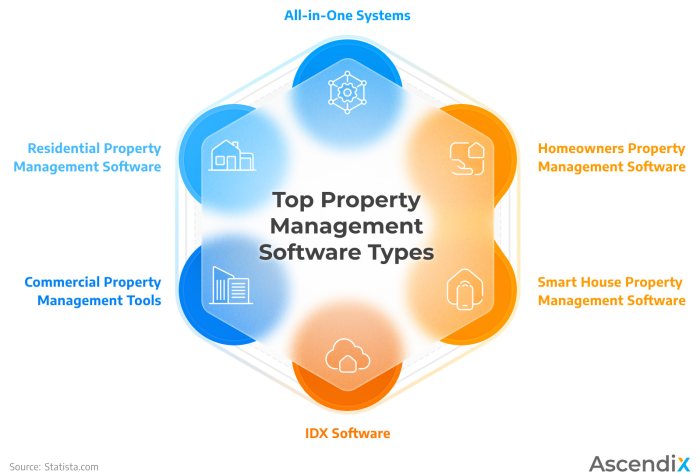
Property management software comes in various types to cater to different needs and property types. Let's explore the main categories.
Cloud-based vs On-premise Property Management Software
Cloud-based property management software is hosted on remote servers and accessed through the internet, offering flexibility and scalability. On the other hand, on-premise software is installed locally on a company's servers and requires manual updates and maintenance.
Residential vs Commercial Property Management Software
Residential property management software is designed for managing rental properties like apartments, single-family homes, and condos. Commercial property management software, on the other hand, is tailored for managing commercial properties such as office buildings, retail spaces, and industrial properties.
Specialized Property Management Software
There are specialized property management software options available for specific property types like vacation rentals or student housing. These solutions often include features tailored to the unique needs of these property types, such as online booking capabilities for vacation rentals or roommate matching for student housing.
Key Functions and Modules

Property management software offers a range of essential functions and modules designed to streamline tasks and improve efficiency in managing properties. These functions typically include rent collection, maintenance tracking, and financial reporting. Let's delve into the common modules and key functions that make property management software a valuable tool for property managers.
Essential Functions
- Rent Collection: Property management software automates rent collection processes, allowing for online payments, automatic reminders, and tracking of payment statuses.
- Maintenance Tracking: This function helps property managers stay on top of maintenance tasks by scheduling repairs, tracking work orders, and monitoring maintenance expenses.
- Financial Reporting: Property management software generates detailed financial reports, including income and expense statements, balance sheets, and rent roll reports, providing valuable insights into the financial health of the property.
Common Modules
- Tenant Portal: The tenant portal allows tenants to pay rent online, submit maintenance requests, and communicate with the property manager, enhancing tenant satisfaction and convenience.
- Owner Portal: The owner portal provides property owners with real-time access to financial reports, property performance metrics, and communication with the property management team, fostering transparency and trust.
- Maintenance Request Management: This module streamlines the process of handling maintenance requests by enabling tenants to submit requests online, assigning tasks to maintenance staff, and tracking the status of each request.
Automation and integration with accounting software play a crucial role in streamlining property management tasks, reducing manual errors, and improving overall efficiency.
Selection and Implementation
When it comes to selecting and implementing property management software, it is crucial to consider the specific needs and requirements of your real estate organization. This guide will walk you through the steps involved in choosing the right software solution and successfully implementing it within your business.
Choosing the Right Software
Before diving into the selection process, it's essential to assess your business needs and objectives. Consider factors such as the size of your property portfolio, the number of units you manage, and the specific functionalities you require.
- Look for software that is scalable and can grow with your business. Consider the number of users who will need access to the system and ensure that the software can accommodate your current and future needs.
- Evaluate the user-friendliness of the software. It should be intuitive and easy to navigate, ensuring that your team can quickly adapt to using it without extensive training.
- Check the level of customer support offered by the software provider. Responsive and knowledgeable customer support is crucial for resolving any issues or questions that may arise during the implementation process.
Implementation Process
Once you have selected the right property management software for your organization, it's time to focus on the implementation process. Here are the key steps involved:
- Develop an implementation plan outlining the timeline, key milestones, and responsibilities of each team member involved in the process.
- Train your team on how to use the software effectively. Provide hands-on training sessions and resources to ensure a smooth transition to the new system.
- Import your existing data into the software to ensure continuity and accuracy in managing your property portfolio.
- Test the software thoroughly to identify any issues or bugs before fully integrating it into your daily operations.
- Monitor the implementation process closely and gather feedback from your team to address any challenges or concerns that may arise.
Industry Trends and Innovations

In the ever-evolving landscape of property management software, staying up to date with industry trends and innovations is crucial to maintaining a competitive edge and maximizing operational efficiency. Let's delve into some of the key trends shaping the future of property management software.
AI-driven Analytics and IoT Integration
One of the most significant trends in property management software is the integration of artificial intelligence (AI) and Internet of Things (IoT) technologies. AI-driven analytics enable software to process vast amounts of data to generate valuable insights, optimize decision-making processes, and automate routine tasks.
IoT integration, on the other hand, allows for real-time monitoring of property assets, predictive maintenance, and energy efficiency management.
Impact of Mobile Apps and Cloud Technology
The proliferation of mobile apps and cloud technology has revolutionized property management operations by enabling remote access to critical data and functionalities. Mobile apps provide property managers with the flexibility to oversee operations on-the-go, while cloud technology ensures secure storage and seamless collaboration among stakeholders.
This trend has significantly enhanced operational efficiency and tenant satisfaction.
Recent Innovations in User Experience Design and Customization Options
Property management software developers are increasingly focusing on enhancing user experience design and offering greater customization options to cater to the diverse needs of property managers. Intuitive interfaces, interactive dashboards, and personalized workflows are some of the innovations aimed at improving user satisfaction and productivity.
Customization options allow users to tailor the software to their specific requirements, enabling them to streamline processes and achieve better outcomes.
Final Summary
In conclusion, property management software offers a myriad of benefits for real estate professionals, revolutionizing the way properties are managed and maintained. By leveraging the right software solutions, individuals and organizations can optimize their operations and stay ahead in a competitive market.
Answers to Common Questions
How can property management software benefit real estate professionals?
Property management software helps professionals streamline their operations, manage properties efficiently, and enhance communication with tenants and owners.
What are some key features commonly found in property management software?
Common features include rent collection, maintenance tracking, financial reporting, tenant portal, owner portal, and maintenance request management.
What are the differences between cloud-based and on-premise property management software?
Cloud-based software operates on remote servers accessible through the internet, while on-premise software is installed locally on a company's computers and servers.
How do you choose the right property management software for your business needs?
Consider factors like scalability, user-friendliness, integration capabilities, and customer support when selecting a software solution.
What are some emerging trends in property management software?
Emerging trends include AI-driven analytics, IoT integration, mobile apps, cloud technology, and user experience design innovations.